

- Landline
- (281) 591-9832
- nationautocare@gmail.com
- 329526227060095
- Website
- www.autobodyshopmissouricity.com

Description
At Nations Auto Care Body & Paint, we are a full-service auto body shop and auto repair shop that specializes in bringing you high-quality auto body repair, collision repair, and auto repair and maintenance! We provide an extensive list of vehicle care services and products that will help you get back on the road. Located in Missouri City, TX, we will quickly and efficiently handle any car troubles. When you need a friendly and experienced expert, you can trust us to get the job done. Whether you need an oil change, engine repair, state inspection, Emissions, Alignment, Brakes, Electrical work, and everything in between, we are ready to help. Call or visit us today!
Keywords auto body shop, auto repair shop, oil change service, auto glass shop, auto repair, auto a/c repair, windshield replacement, brake shop, car repair, mechanic, car repair and maintenance, oil change, brake repair shop, engine repair, transmission shop.
Reviews
Opening hours
Payment Options
Visa , Cash , Discover , MasterCard
Products And Services
-
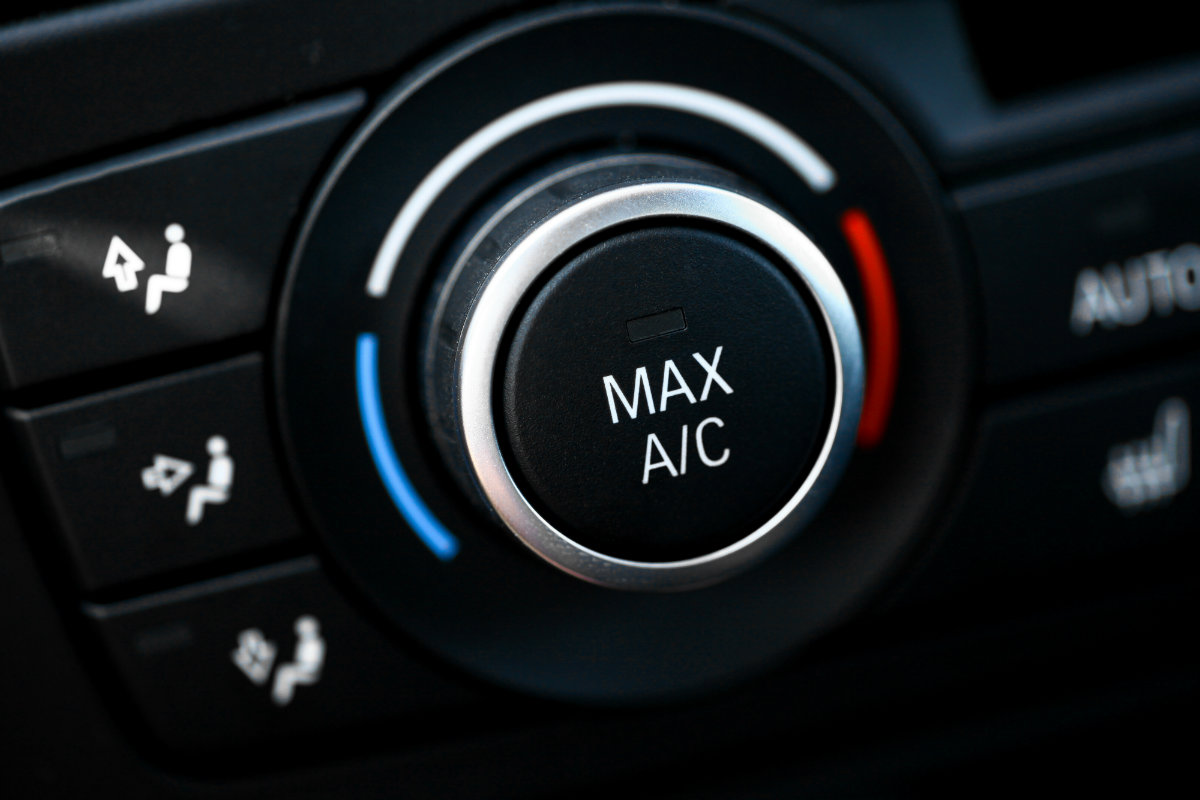
Air conditioning service
AIR CONDITIONING SERVICE The air conditioning unit in your vehicle operates similarly to a refrigerator. Your vehicle's air conditioning unit is designed to move heat from the inside of your car to outside of it. Your vehicle's air conditioning unit has six major components: The refrigerant carries heat. In modern cars, refrigerant is a substance called R-134a. Older cars' refrigerant is called r-12 freon, which is more expensive and difficult to find than R-134a. The compressor circulates and compresses refrigerant within the vehicle's cooling system. Your vehicle's condenser changes the refrigerant from gas to liquid and expels heat from the car. The expansion valve (sometimes called the orifice tube) is a nozzle that simultaneously drops the pressure of the refrigerant liquid, meter its flow and atomize it. Your vehicle's evaporator transfers heat to the refrigerant from the air blown across it, cooling your car. The receiver or dryer filters your vehicle's refrigerant and oil, removing moisture and other contaminants form them. When you start your vehicle's air conditioning system, the compressor works by putting the refrigerant under pressure, sending it to the condensing coils, which are generally in front of your vehicle's radiator. The condenser expels hot air to outside the car, cooling the air within the vehicle. When this happens, the refrigerant is cooled, and it changes form a gas to a liquid, which then passes through the expansion valve and to the evaporator. Once the evaporator receives the liquid-state refrigerant, it loses pressure and cools the remaining liquid. The vehicle's blower moves air across the evaporator and into the vehicle's interior. If you keep your air conditioning unit turned on, the refrigerant goes through this cycle continuously. If any of these components is damaged, it can turn your cool car into a furnace during the summer months. Your vehicle's air conditioning issue could be as simple as topping off refrigerant to replacing a valve. When your air conditioning unit is not working as it should, bring your vehicle to Nation's Auto Care. One of our trained air conditioning specialists will inspect your car's air conditioner, all lines, the evaporator and the compressor for leaks and wear.
Link: Air conditioning service
-
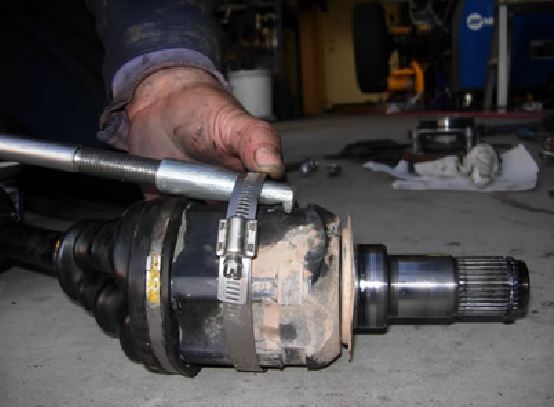
Axle repair and replacement
Your vehicle's axles are vital to keeping you safe on the road. They are just as important as other safety devices on your vehicle, such as brakes and tires. Axles bear all of your vehicle's weight. They connect its wheels and help drive the vehicle. In most cars, the axles are an essential part of the steering system, working with power steering fluid and other components to ensure smooth turning. When most people think of the word axle, they imagine a bar between two wheels, as seen on wagons or train cars. Most axles, however, are more complex, and they require the eyes and expertise of someone like the auto technicians at Nation's Auto Care to inspect and repair them. Most of today's vehicles are built using split axles, which means the wheel on each side of the axle is attached to a separate shaft. Split axles allow independent suspension of the left and right wheels, which allows for a smoother ride. These modern designs also permit the left and right wheels to rotate at different speeds as the vehicle turns. By allowing each side to rotate at different speeds, the split axle improves traction and extends tire life, saving you money in the long run. This particular component is called the differential. The axle is connected to the wheel by a component called the CV joint. The CV joint boot is a protective flexible covering which covers the joint. If this boot becomes damaged, it can cause brake fluid to leak out, which can cause serious problems. If your vehicle is not turning as smoothly as usual or you are having problems stopping your car, you might need an axle repair. Bring your vehicle to Nation's Auto Care today so our team of auto technicians can inspect and fix your vehicle's axles. If your vehicle's axles need to be replaced, we can help you find the best axles in NAPA's inventory and install them for you so you can get back on the road quickly.
-
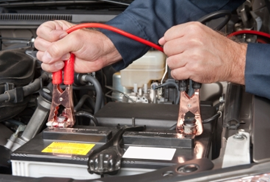
Battery service
Your vehicle's battery is the source of electrical currents necessary to start the engine. The battery provides power to your vehicle's accessories and electrical parts; it allows them to operate even when your vehicle's engine is not running. Additionally, components such as your engine and starter rely on the battery for power; they cannot run without a properly functioning battery. Your battery is your vehicle's voltage stabilizer for the entire electrical system. Most vehicle batteries need to be replaced every few years, depending on the conditions in which you drive. Extreme weather, continued use of vehicle accessories and other conditions can lead to shorter battery life. Over time, your battery loses juice, and you may need to occasionally jump-start your vehicle in order to get it running. If your vehicle is showing signs of lessened battery life, such as delayed start time, you may need to get your battery replaced. If your battery dies before you replace it, you might be stranded without a vehicle. The professional automotive team at Nation's Auto Care can examine, diagnose and replace your battery as needed. You can trust us to service your car battery and, if necessary, help you find and install the perfect new battery for your vehicle.
Link: Battery service
-
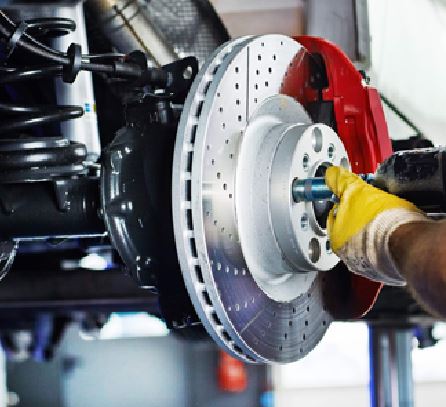
Brake Repair
Brakes are pretty much the most important safety device on your car. If you've ever partially lost your brakes in the past, you'll agree that it's not something you want to experience again. Inspecting your brakes twice a year for wear and damage can protect you and your passengers. Additionally, it will also help save you money by catching any damage before it becomes too costly. Brake System Components That Can Fail The master cylinder, the heart of the vehicles braking system, holds the brake fluid when it is not being delivered to the brakes through the brake lines. If brake fluid leaks because the master cylinder is worn or brake lines are plugged or broken, the fluid cannot be delivered and the brake pads will become ruined. The brake fluid itself can become dirty or contaminated as it draws rust-causing moisture and picks up other debris, or it can break down from excess heat. Clean brake fluid is either clear or slightly yellow, while dirty brake fluid may be brown or even black. Old and dirty brake fluid can damage ABS brake systems internally. The brake lines connect to the master cylinder through a combination valve, which combines a metering and proportioning valve. It regulates the pressure on the front and rear wheels to make sure both sets of brakes are applied simultaneously. A malfunctioning combination valve may cause the wheels to lock up. Brake pads and shoes can be made of ceramic, metal or organic materials, while the disc rotors and drums they press against are made of metal. Because the pads and shoes create friction to stop the car, they gradually wear down over time and may wear away completely, letting the metal of the calipers and cylinders they are attached to grind against the rotors and drums and damage them. (Some pads have a metal strip attached that sounds a warning whistle when the pad becomes too worn, but this strip sounds only when the car is in motion and the brakes are not applied.
Link: Brake Repair
-
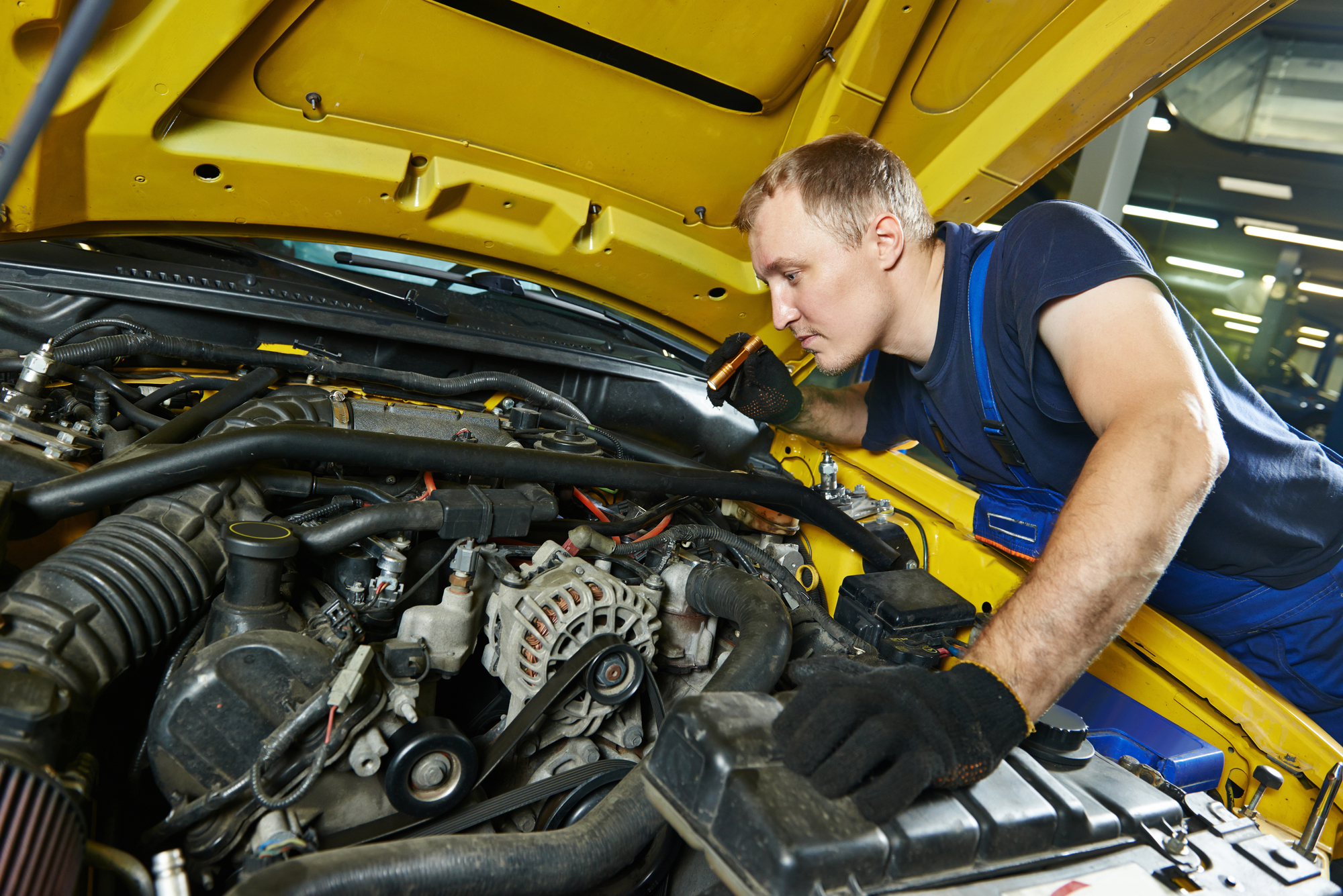
Cooling system service
If your car runs hot, you may need to have your cooling system serviced. The most important and effective way to ensure your vehicle's cooling system stays in top shape is to make sure the system is clean. Here at Nation's Auto Care, we can clean your vehicle's cooling system to help it run cool. Over time, your vehicle's radiator can build solid deposits which can result in clogged pipes and lines within the cooling system. A quick radiator flush at Nation's Auto Care can solve this problem and keep your cooling system in shape. Another component within your cooling system is antifreeze. It is important to remember to change your antifreeze seasonally. Our auto technicians at Nation's Auto Care can help you change your antifreeze to ensure your vehicle's system does not freeze up with cold weather strikes. If a problem with your cooling system extends beyond a simple flush or replacement, our automotive team can diagnose the problem. We can perform a pressure test to determine if your radiator's pressure is correct. If the pressure test determines that it is not correct, we will check your cooling system's caps, hoses and connections to determine if any of these components need to be replaced or repaired. If we determine that they do need to be replaced or repaired, we can give you a fair, honest quote on parts and labor. From simple pressure tests to full radiator replacements, you can trust the team at Nation's Auto Care for excellent cooling system service.
Link: Cooling system service
-
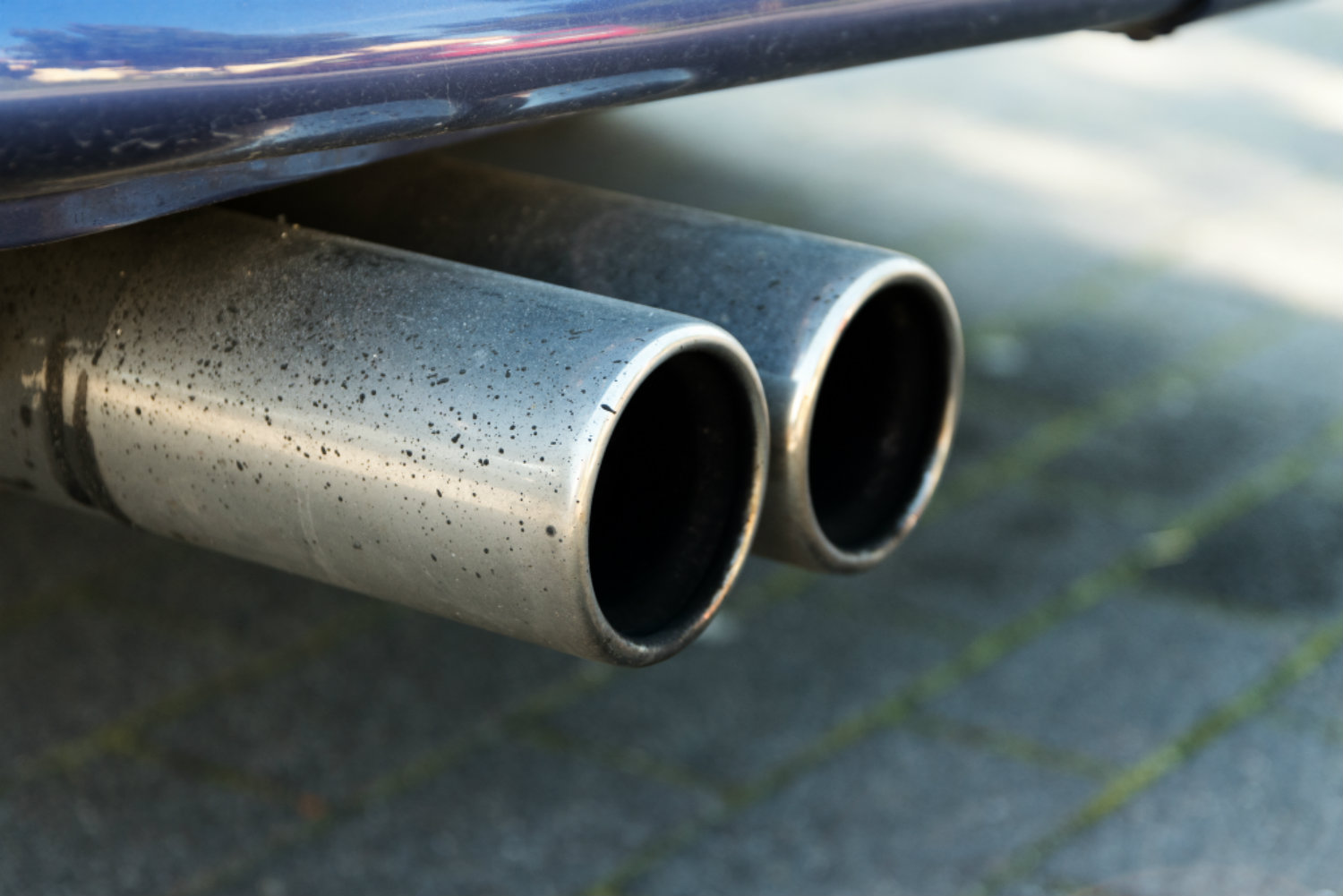
Exhaust systems
If you live in Missouri Texas, or any of its surrounding cities, you may be subject to emissions testing. If you fail your emissions test, you may need to get your exhaust system repaired or replaced. The auto repair team at Nation's Auto Care can diagnose the issue and repair your exhaust system to help you pass your emissions test. While your exhaust system helps reduce noise output from your vehicle, it also significantly reduces harmful emissions from being released into the air. When your vehicle's muffler and exhaust system functions properly, it significantly reduces your car's harmful impact on the environment. It also significantly improves the functionality of your vehicle. Your vehicle's exhaust system involves several components. The exhaust manifolds right behind the engine collect exhaust gases and connect to cylinder heads. Gases collected by your vehicle's exhaust manifolds are analyzed by oxygen sensors and refined by catalytic converters before being muffled by the mufflers. By the time these gases reach the muffler, the emissions system has made your car run smoother, quieter and cleaner. If any of the components of your vehicle's exhaust system fail, your gas mileage and quality of air around you can be affected. The auto technicians at Nation's Auto Care can inspect and repair your entire exhaust system to ensure your vehicle is running cleanly.
Link: Exhaust systems
-
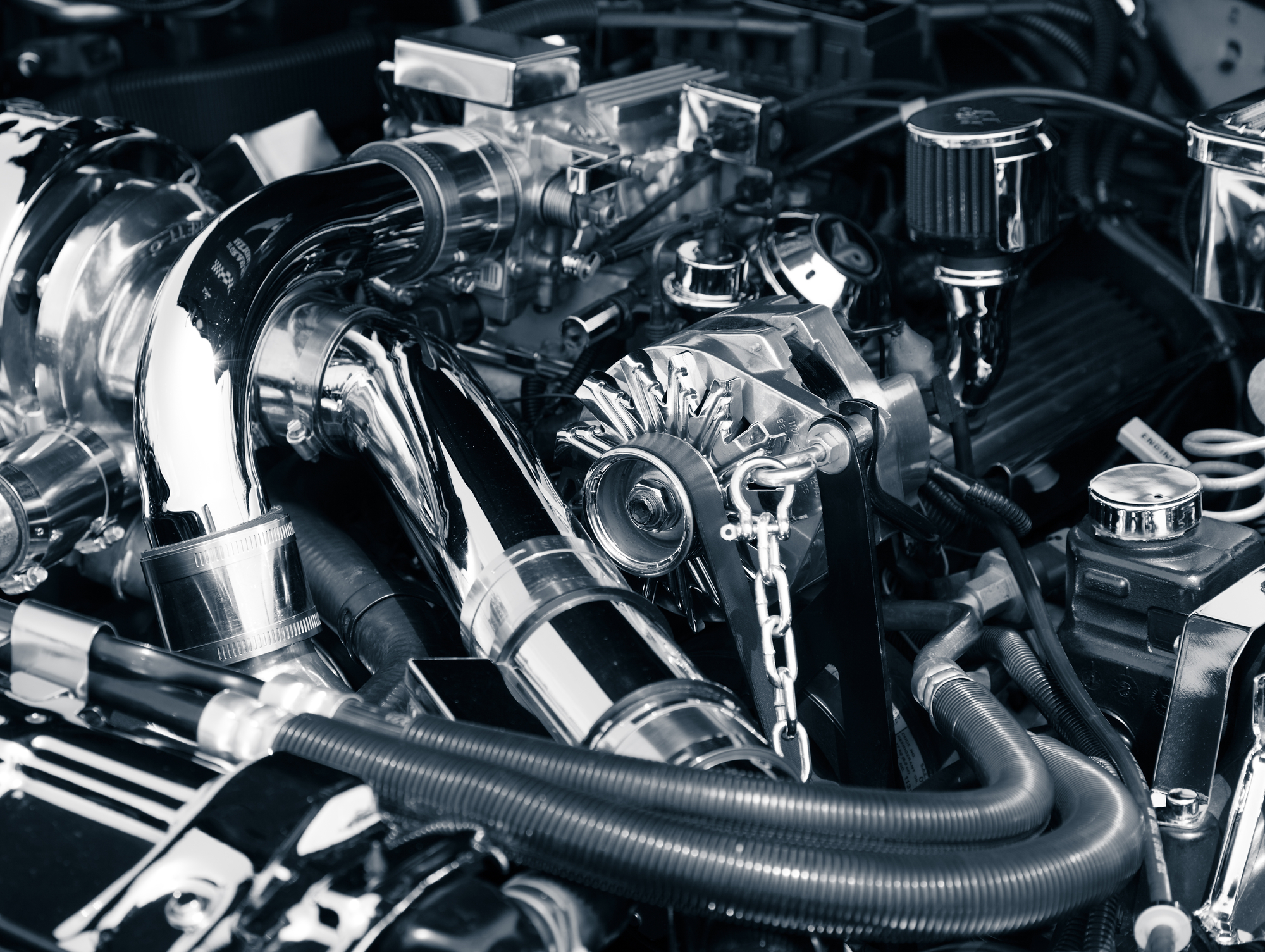
Fuel/air induction clean-up
Over time, deposits build up on intake valves, injectors, ports, fuel injectors and combustion chambers within your vehicle. These build-ups can cause loss of power, shaky idling, hesitation, hard starting, misfire, pinging and knocking noises and, perhaps worst of all, poor gas mileage. Our team of auto technicians at Nation's Auto Care use specialized fuel system and air induction cleaners and conditioners to clean your vehicle's fuel injectors, throttle body, intake valves, ports and air intake. These cleaners and conditioners remove harmful combustion chamber deposits from all these components, allowing your engine to run more smoothly. By cleaning the induction system thoroughly with specialized equipment and conditioners and cleaners, our team can make your vehicle run more efficiently. The quality of the gasoline you put into your vehicle can vary greatly. When the gasoline is of poor quality, it can cause deposit buildup. Modern vehicles—especially those with gasoline direct injection—are particularly sensitive to deposits that build up in fuel injectors, intake valves and ports. Using specialized equipment, our mechanics will quickly and effectively clean the intake manifold, ports, intake valves and combustion chamber and install injector cleaning additives in your vehicle's tank. This service will restore lost power and performance and will reduce harmful exhaust emissions.
-
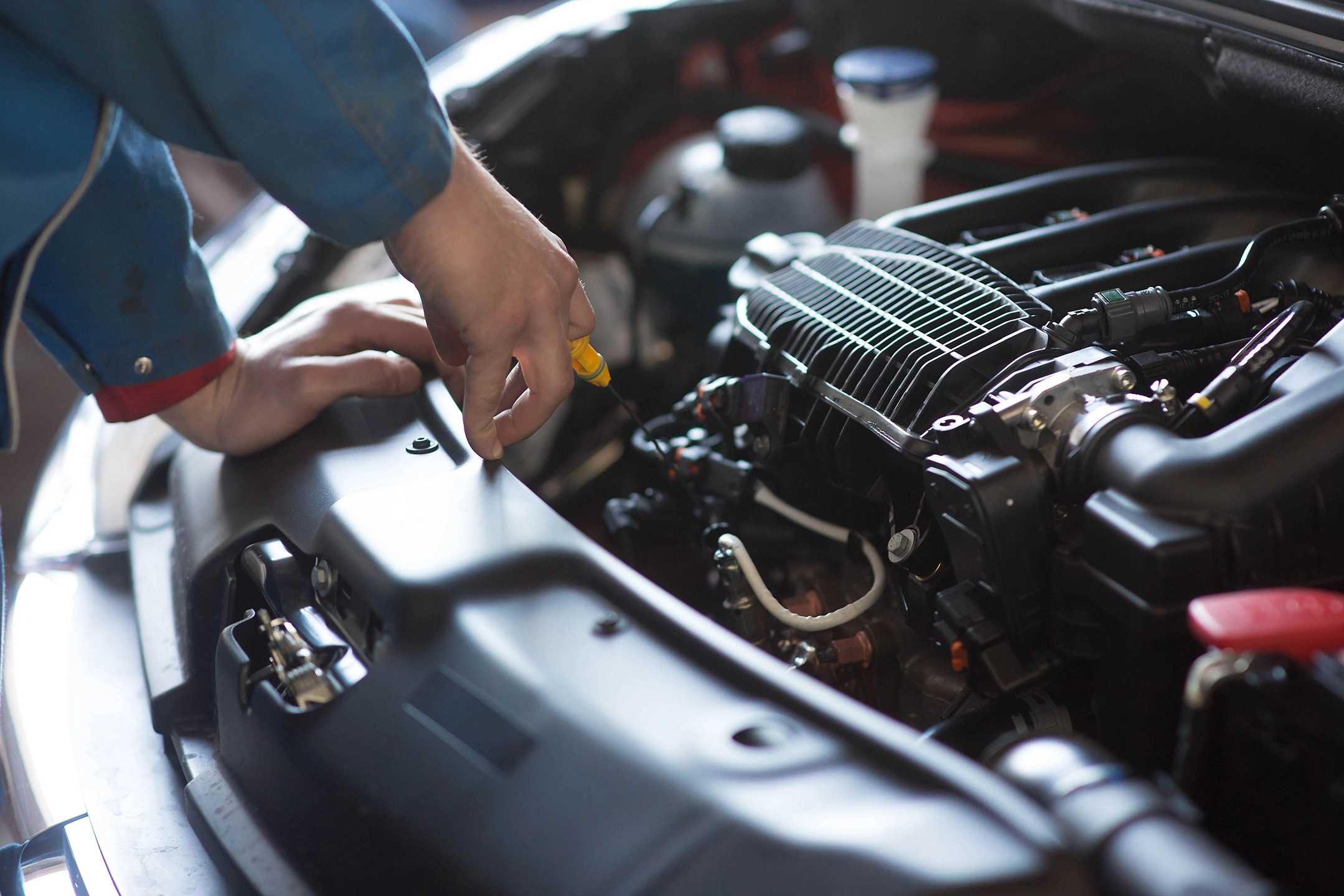
Oil change service
Engine Oil Engine oil is what lubricates a car's engine, allowing it to run smoothly and last longer. Car owners must maintain a car's engine by changing the oil and using the oil appropriate for their cars make and model. Every car comes with a "check oil" light and an oil filler under the hood. These components allow car owners to monitor their oil levels and add oil as needed, without having to hire a mechanic. Changing the Oil An important part of routine car maintenance is changing the oil regularly. The necessary frequency of oil changes has become a point of contention among experts. The Engine Oil Bible maintains that engine oil can't be changed often enough, but Nordic group insists that, with the advent of detergent oils and multi-weight oils, some vehicles can go as far as 6,000 miles before needing an oil change. The best course of action is to check the owner's manual and follow manufacturer's recommendations. An obvious benefit of changing one's own oil is saving money, but oil change services frequently advertise bargains. If the "check engine oil" light comes on while driving, this is a strong indication that the car is running low on oil. A driver does not need a mechanic to add oil. However, if the oil light stays on or lights up shortly after adding oil, there may be a leak and a mechanic should look at the car.
Link: Oil change service
-
Preventative maintenance
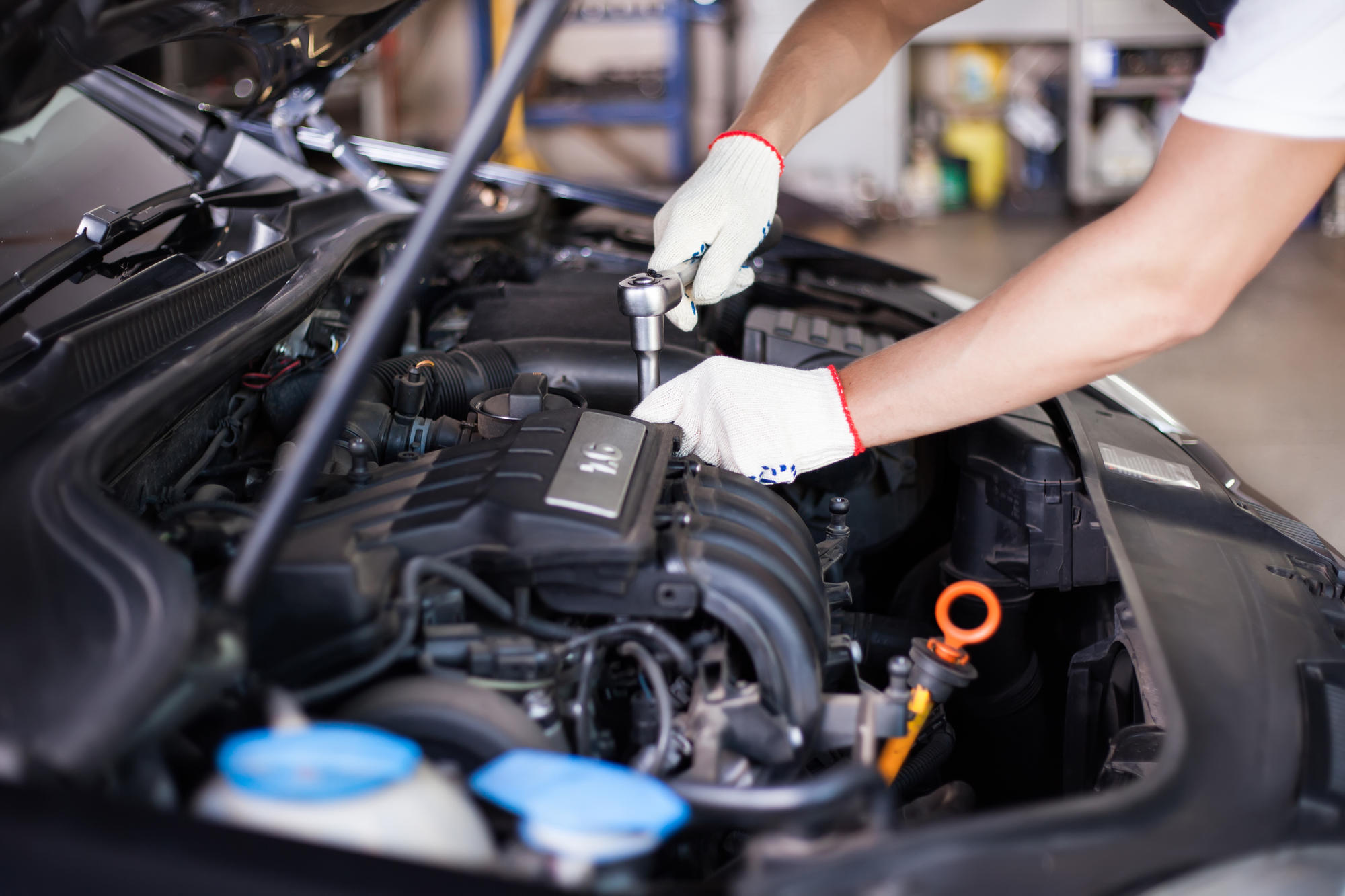
The best way to prevent long-term and costly problems with your vehicle is to keep up with its preventative maintenance schedule. One major key to successfully making sure you are doing all you need to do is to read your vehicle's owner's manual. Regardless of your vehicle's make or model, its owner's manual will contain a maintenance schedule. Every make and model is different, and standby beliefs such as "You have to change your oil every 3,000 miles," may not apply to your car. The maintenance schedule within your owner's manual is provided by the people who understand your vehicle the best—the company that built it. The manufacturer provides suggestions for how often you need to change your oil, filters, driving belts, timing belts and more. While some preventative maintenance—such as topping off fluids—can be performed by the vehicle's owner, other, more complicated procedures should be done by experts like the team at Nation's Auto Care. Our team can keep your vehicle in top shape by performing the following maintenance: Inspecting and replacing serpentine belts (preventing damage to other accessories) Checking and changing oil Checking, repairing and replacing battery connection components Checking and replacing batteries Checking and replacing cabin air filters This can keep your car comfortable during the hot summer months. Checking and replacing your engine air filter You may need to replace your engine air filter more frequently if you drive in stop-and-go traffic or have a long commute. Checking and replacing spark plugs Tire rotation This helps ensure even wear on your tires, which can help prevent blowouts and leaking. It also helps make your ride smoother. Tire balancing Balancing your tires prevents wear, which can significantly improve their life and save you money. Wheel alignment By following your vehicle's owner's manual and having your vehicle inspected and maintained regularly, you can greatly reduce problems and save money in the long run. Let the expert team at Nation's Auto Care help your vehicle stay in good condition.
Link: Preventative maintenance
-
Radiator service
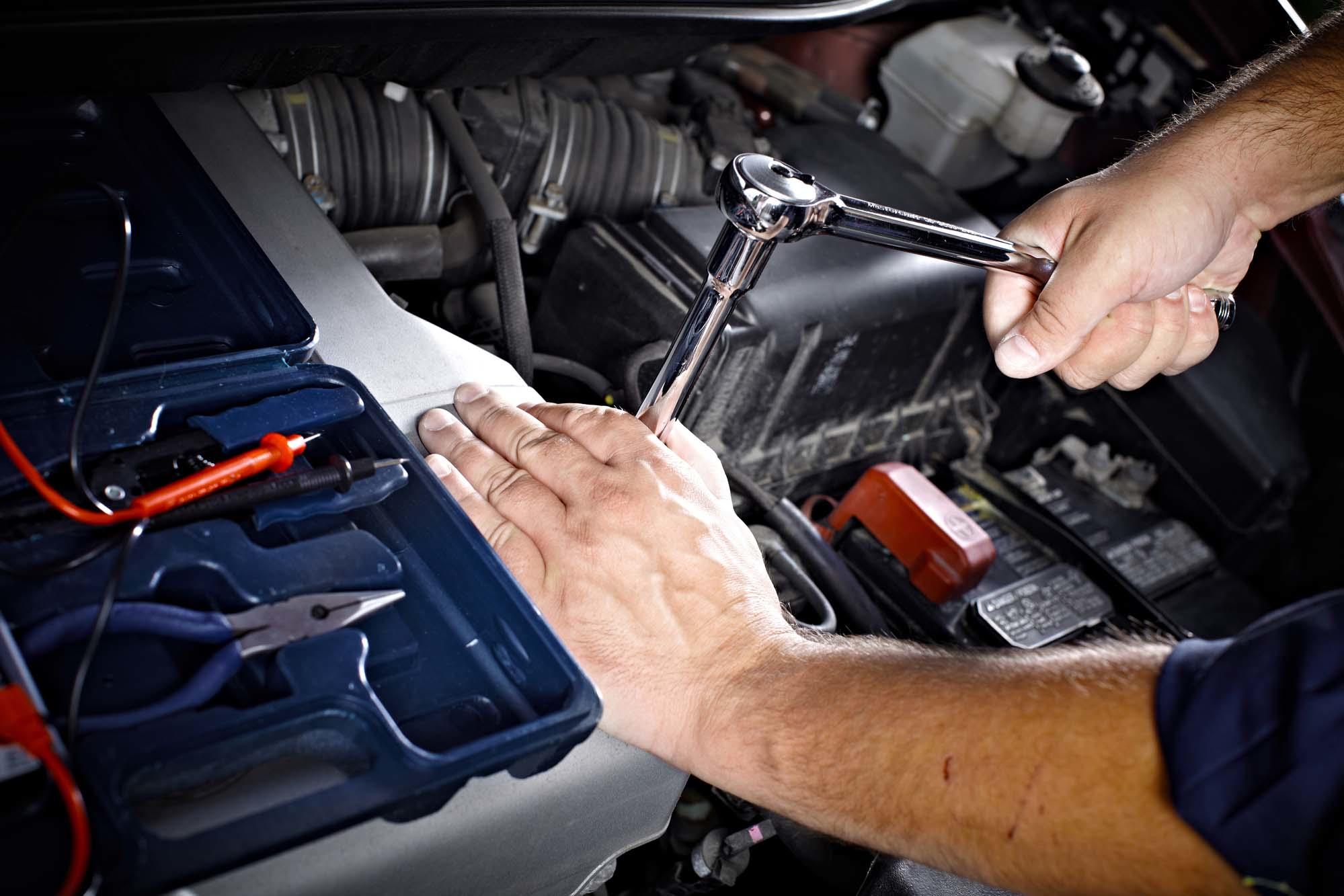
Your vehicle's radiator helps keep your engine cool. Overheated engines can lead to numerous problems, including eventual breakdowns. Your vehicle' radiator sits at the front of the engine bay; it's made up of slim, hollow channels that run between the inlet and outlet tanks. Coolant pumps through tubes to the engine, where it is warmed. Once the coolant reaches the engine, it goes to the radiator, which is constructed to cool the flowing liquid using the air passing the radiator. The cooled liquid cycles back through the engine, where it absorbs more heat. This cycle allows the engine to keep working at ideal temperatures. If your vehicle overheats, you may need to have your radiator serviced or replaced. An elevated temperature gauge is another sign that your radiator might be malfunctioning. Puddles of green, yellow or orange coolant under your car could indicate that there is a radiator leak, which could be caused by corrosion. If you notice any of these signs that your radiator needs to be services or replaced, bring your vehicle to Nation's Auto Care. Our auto technicians can fix leaks or replace your vehicle's radiator so you can get back on the road worry-free.
Link: Radiator service
-
Tire service
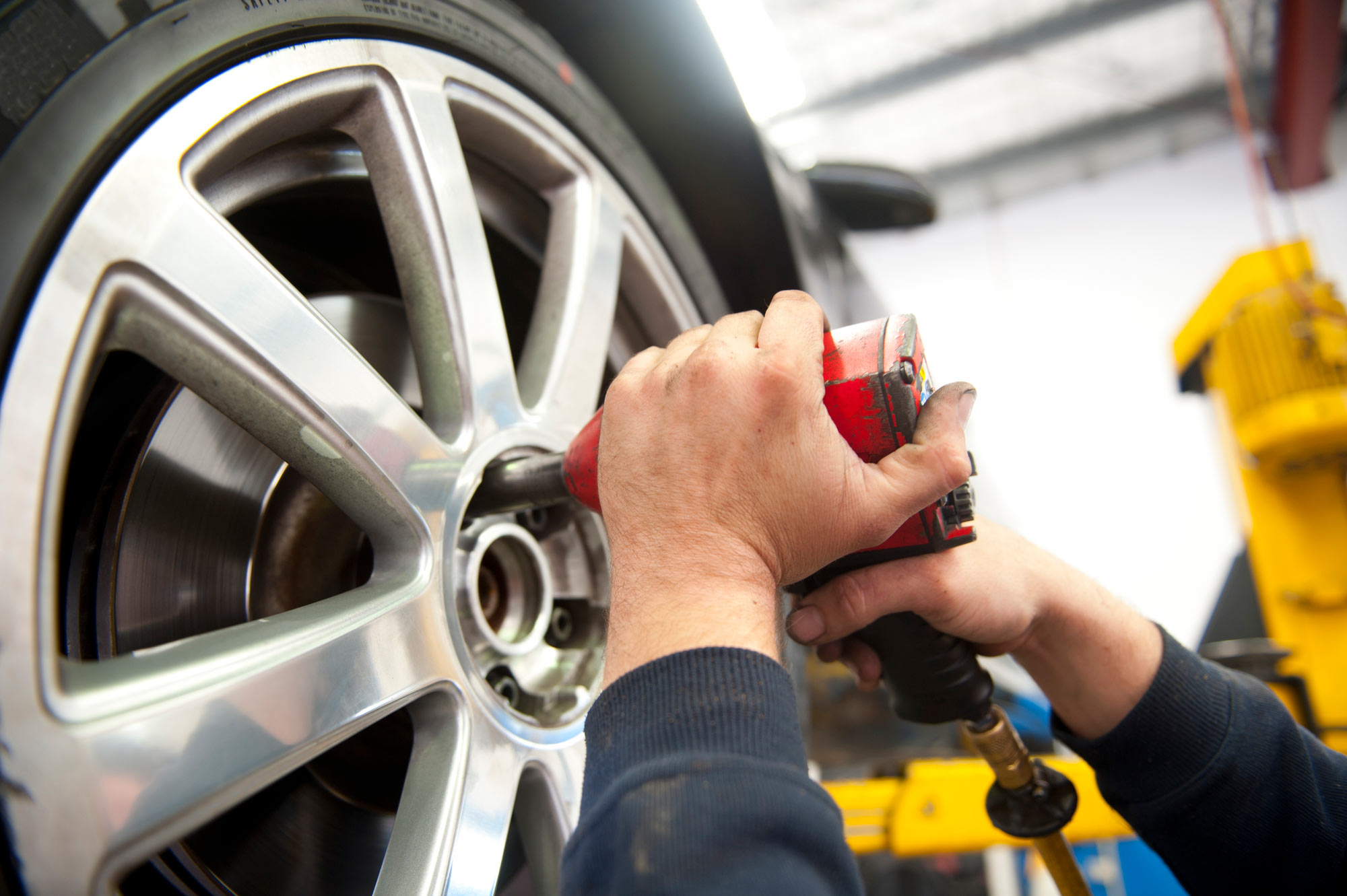
Improve your vehicle's handling, increase tire life, and drive with safety by checking your tires every month to insure that they are inflated with the right amount of air pressure. We offer a wide range of tires for your vehicle. Let our professionals help you find, balance, and mount the right tires for your car. Call us or email and let us help you with your tire services. Below are some of the tire services that we offer: Wheel Alignment Tire Mounting Tire Balancing Tire Rotation Tire Inspection We also carry various tire brands. Here are some of the tire brands that we carry:
Link: Tire service
-
Windshield & glass replacement
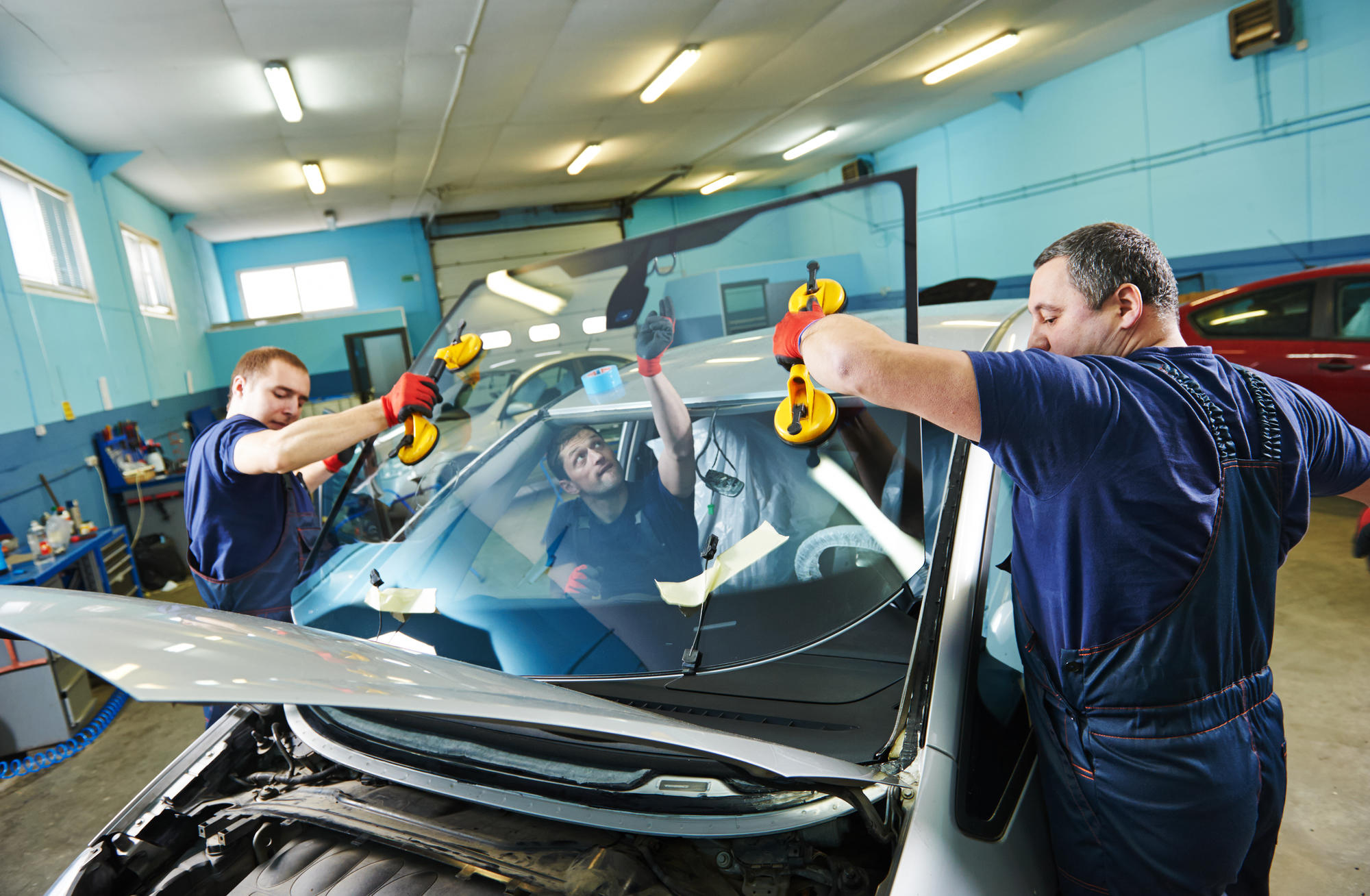
When to Replace the Windshield When the damage to your windshield is larger than a U.S. Quarter in size, or if the damaged area is in your direct line-of-site, it is probably time to have your windshield replaced. When to Repair the Windshield One of the services offered by Nation;s Auto Care is Windshield Repair. Having your windshield repaired is the appropriate choice when the size of the damaged area on your windshield is smaller than a quarter. To test this, you can simply take a U.S. quarter and cover the damaged area on your windshield. As long as all of the damage can be covered by the quarter, our technicians will be able to successfully repair the damage. One other consideration is the location of the damage on your windshield. Nation's Auto Glass does not recommend a windshield repair if the glass damage is directly in your line-of-site. This is an industry-wide guideline and most insurance companies will not recommend windshield repair for line-of-site damage. For line-of-site damage, a windshield replacement is generally recommended. Benefits of Windshield Repair Having your windshield repaired can save you money, especially if you are paying out of pocket for the work to be done. On average, a repair is 75% less expensive than having your windshield replaced. In addition, most insurance companies will cover the cost of your auto glass repair and may even waive any deductible that might have applied to a windshield replacement claim. Windshield repair generally takes less than 30 minutes after which you are safe to drive the car without any down time.



Categories
Auto Body Shops(281)591-9832 (281)-591-9832 +12815919832 (281)499-2311 (281)-499-2311 +12814992311
Map 111 Present Street
Loading map...